PACTMED Fungal Nail Therapy Gladesville
Rated 5.0 by 100+ locals
What is PACTMED fungal nail therapy?
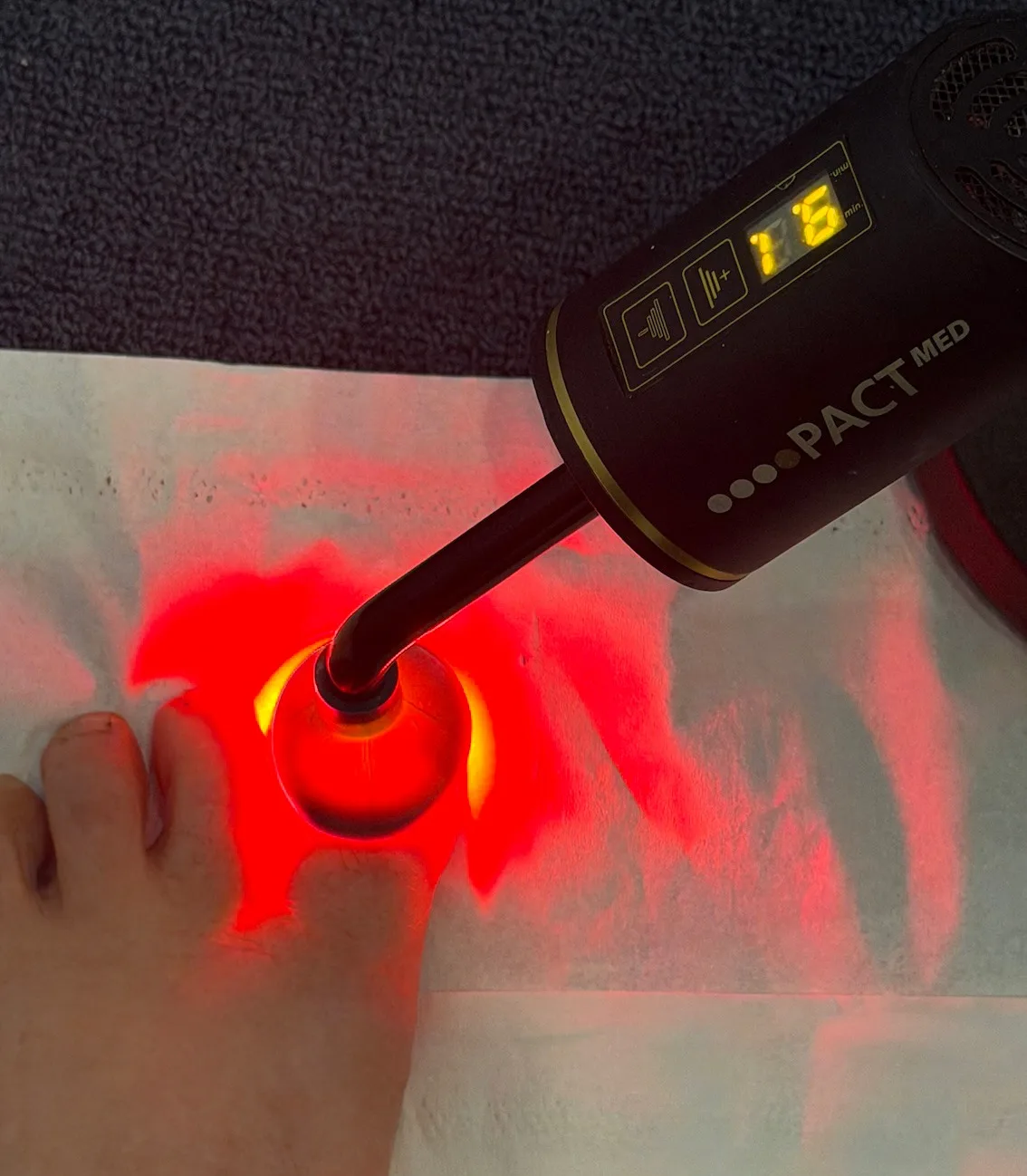
PACTMED is a light-based treatment for fungal nail infections. PACT stands for photodynamic antimicrobial therapy, which describes how it works. A coloured gel is applied to the affected nail, and a targeted red LED light is then held over it. The light activates the gel, and that reaction breaks down the fungal cells living inside the nail.
Fungal nails have long been difficult to treat. Topical lacquers need to be painted on daily for months or even years before there is anything to see, and oral antifungal tablets are not suitable for everyone because of the way they interact with other medications. PACTMED works differently. It reaches the infection through the nail plate itself, generates no meaningful heat, and leaves the skin and nail bed around it alone.
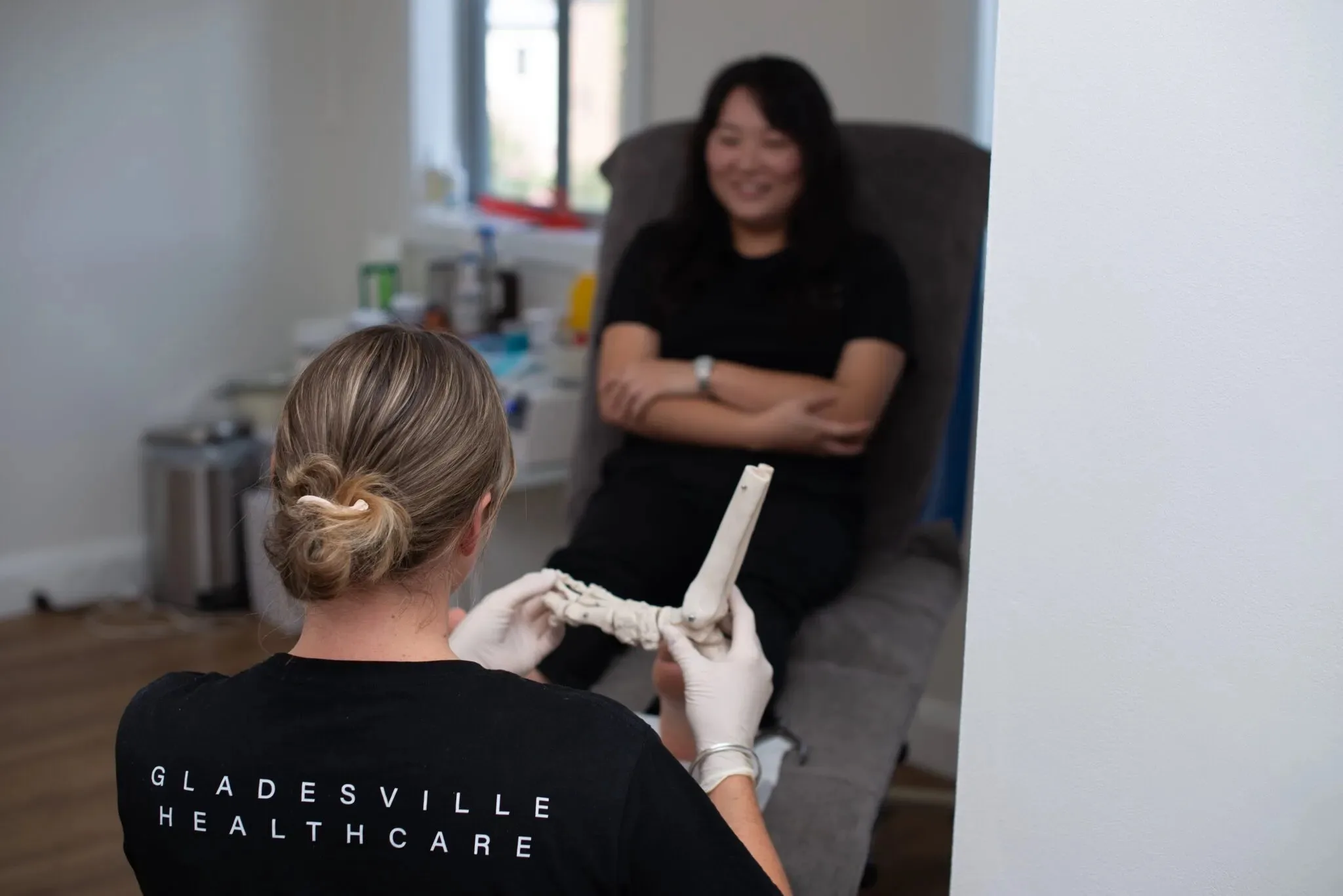
At Gladesville Healthcare, PACTMED is carried out by our podiatry team as part of a wider plan for the nail. We cut and file the nail back first and give you a urea cream to use at home for two weeks before the treatment sessions begin, so the gel and the light can reach the infection. Alongside that we treat any related skin infection and go through footwear and hygiene, so the infection is less likely to return.
What are the benefits?
- Painless treatment: There is no cutting, no injection and no heat, so most people feel nothing beyond the light resting over the nail.
- No tablets required: Offers an option for people who cannot take oral antifungal medication, or would rather not.
- Targeted to the nail: The reaction happens in the nail itself and leaves the surrounding skin and nail bed unaffected.
- No reported side effects: Unlike oral antifungals, PACTMED carries no known interactions with other medications.
- Quick appointments: A single nail takes around twenty minutes, so most treatments fit inside a normal appointment.
- Works alongside other treatment: Can be used with topical or oral antifungals where your podiatrist thinks a combined approach is better.
Frequently asked questions
How do I know my nail is actually fungal?
You often cannot tell by looking, and this matters more than people expect. Thickened, yellowed or crumbling nails can also come from an old injury, from psoriasis, or from pressure inside a shoe, and none of those respond to an antifungal treatment. Your podiatrist will assess the nail before any treatment is recommended, so that what you are treating is what you actually have.
Does PACTMED hurt?
No. The gel is simply painted onto the nail and the light sits above it, so there is nothing to feel in the way there is with a needle or a blade. The light does not build up heat, which is what makes it comfortable enough to sit through even when several nails are being treated at once.
How long does an appointment take?
It depends on how many nails are involved. A single nail is usually around twenty minutes once the gel has had time to sit and the light has run. Treating a full set of toenails takes closer to an hour, so let reception know how many nails are affected when you book and we will set aside the right amount of time.
How many treatments will I need?
The plan is three sessions in the first two weeks, then one session every eight weeks until the nail is clear. How long that takes comes down to how severe the infection is, how much of the nail it has reached, and how quickly your nail grows, so your podiatrist will assess the nail first and talk you through what to expect before you commit to anything.
How quickly will I see a difference?
Slower than you would like, and that is worth knowing up front. The treatment works on the infection inside the nail, but the damaged part of the nail cannot repair itself. It has to grow out. Toenails grow slowly, so it usually takes around three months before there is a clear band of healthy nail coming through, and longer than that for the nail to look normal again.
Do I need to do anything before my appointment?
Remove any nail polish, shellac or artificial nails beforehand, because the gel and the light both need to reach the nail directly. The nail itself is prepared for you. At the first appointment your podiatrist cuts and files the nail back, then gives you a urea cream to apply every day for two weeks. That softens the nail so the gel and the light can get through, and your treatment sessions start once those two weeks are up.
Will my nail look different straight after treatment?
The gel is blue, and the nail can hold a faint tint from it for up to a week afterwards. It fades on its own and is not a sign that anything has gone wrong. Aside from that, the nail will look much as it did when you walked in, because the change happens as the nail grows out over the following months.
How do I stop it coming back?
Reinfection is the main reason fungal nail treatment fails, and most of it happens through shoes and floors rather than the nail itself. Treat the inside of your shoes with an antifungal spray, wash socks in hot water, wear thongs in public showers and around pools, make sure work boots get a chance to dry out, and treat any tinea on the skin at the same time. Your podiatrist will go through what applies to you.