How Exercise Physiology Helps Manage Chronic Pain
There’s a common belief that chronic pain means you should slow down, rest up, and wait for things to settle. It sounds logical. If something hurts, why would you move it more? But this idea is one of the biggest myths in pain management, and it’s one that exercise physiology is specifically designed to challenge.
For a lot of people living with ongoing pain, whether it’s from arthritis, back problems, fibromyalgia, or an old injury that never quite resolved, movement actually becomes part of the solution rather than something to avoid. That’s not to say you should push through sharp pain or ignore your body’s warning signs. It’s about understanding the difference between pain that signals damage and pain that’s become a more complicated, long-term pattern in the nervous system.
TLDR: Chronic pain and acute injury behave differently, and treating them the same way (with rest and avoidance) often makes things worse over time. Exercise physiology uses carefully planned, graded movement to help reduce pain, rebuild strength and confidence, and improve day-to-day function. It’s a structured, evidence-based approach rather than a generic “just stay active” suggestion.
Understanding Chronic Pain Before Treating It
Chronic pain is generally defined as pain that lasts longer than three months, often well after the original injury or cause has healed. This is confusing for a lot of people, because it feels like there should still be something physically wrong. Sometimes there is, and sometimes the pain system itself has become more sensitive over time.
Why Chronic Pain Isn’t the Same as an Acute Injury
An acute injury, like a sprained ankle or a pulled muscle, usually follows a predictable healing timeline. Chronic pain doesn’t play by the same rules. The nervous system can stay “switched on” long after tissue damage has resolved, which means pain signals keep firing even without ongoing harm.
This is why rest alone rarely fixes chronic pain. In fact, prolonged inactivity can lead to muscle weakness, stiffness, and reduced fitness, all of which tend to make pain feel worse, not better.
Common Misconceptions That Keep People Stuck
- “If it hurts, I should stop moving completely”
- “Exercise will damage the area further”
- “Pain always means something is broken or torn”
- “I just need to find the right pill or treatment to make it go away”
- “Once it’s chronic, nothing can really change”
These beliefs are understandable, but they often lead to a cycle of avoidance, deconditioning, and frustration. Exercise physiology works to break that cycle with a more measured, individualised approach.
How Exercise Physiology Approaches Chronic Pain Management
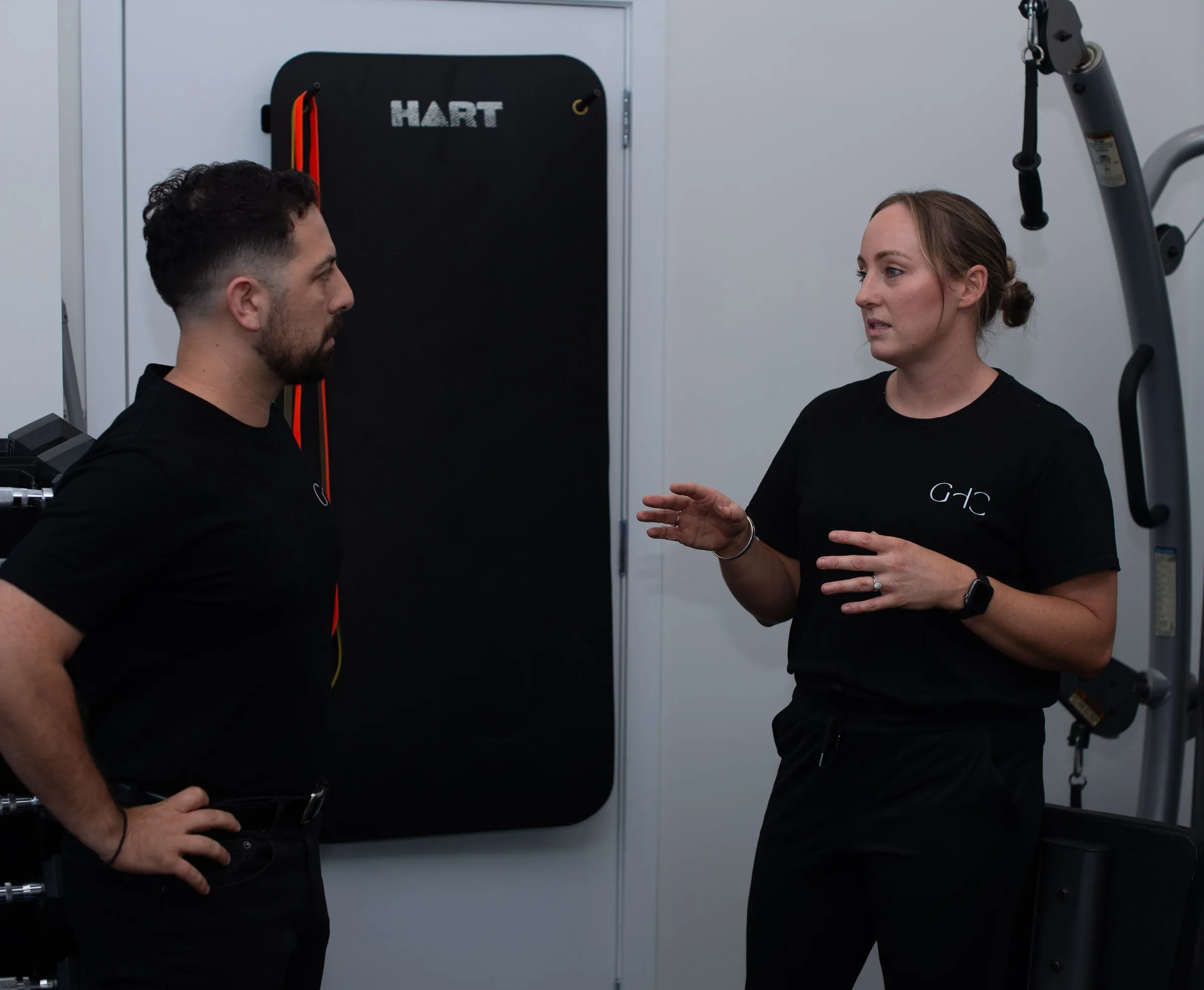
Accredited exercise physiologists are university-qualified allied health professionals who specialise in using exercise as a clinical treatment. Unlike a generic gym program, their work is built around your specific condition, pain history, and goals.
Assessment Before Any Exercise Is Prescribed
Before any program starts, there’s usually a thorough assessment covering your pain patterns, movement limitations, medical history, and what matters most to you day to day. This isn’t a quick chat. It’s the groundwork that makes the program safe and relevant.
From there, a plan is built around what your body can currently manage, with room to progress as strength and confidence improve.
Graded Exercise and Pacing
One of the core principles is graded exposure, which means starting at a level that’s genuinely manageable and building up slowly. This helps avoid the flare-up cycle that happens when people either do too much on a good day or avoid movement altogether on a bad one.
Pacing strategies are often taught alongside the exercises themselves, so you learn how to balance activity and rest without swinging between extremes.
Education as Part of Treatment
A big part of exercise physiology is simply helping people understand what’s happening in their body. Knowing that pain doesn’t always equal damage can be genuinely relieving, and it often reduces fear around movement, which in itself can lower pain levels.
What Conditions Benefit From This Approach
Exercise physiology is used across a wide range of chronic pain conditions, not just one specific diagnosis. The programs look different depending on the condition, but the underlying principles of graded movement and education stay consistent.
Musculoskeletal and Joint Conditions
- Osteoarthritis and joint pain
- Chronic lower back pain
- Persistent neck and shoulder pain
- Post-surgical stiffness and pain
Widespread or Nervous System Related Pain
- Fibromyalgia
- Chronic fatigue related pain
- Complex regional pain syndrome
- Pain linked to autoimmune conditions
Each of these responds differently to exercise, which is exactly why a tailored program matters more than a one-size-fits-all routine.
What a Typical Program Looks Like
There’s no single formula, but most programs combine a few key elements that work together over weeks and months rather than days.
Types of Exercise Commonly Used
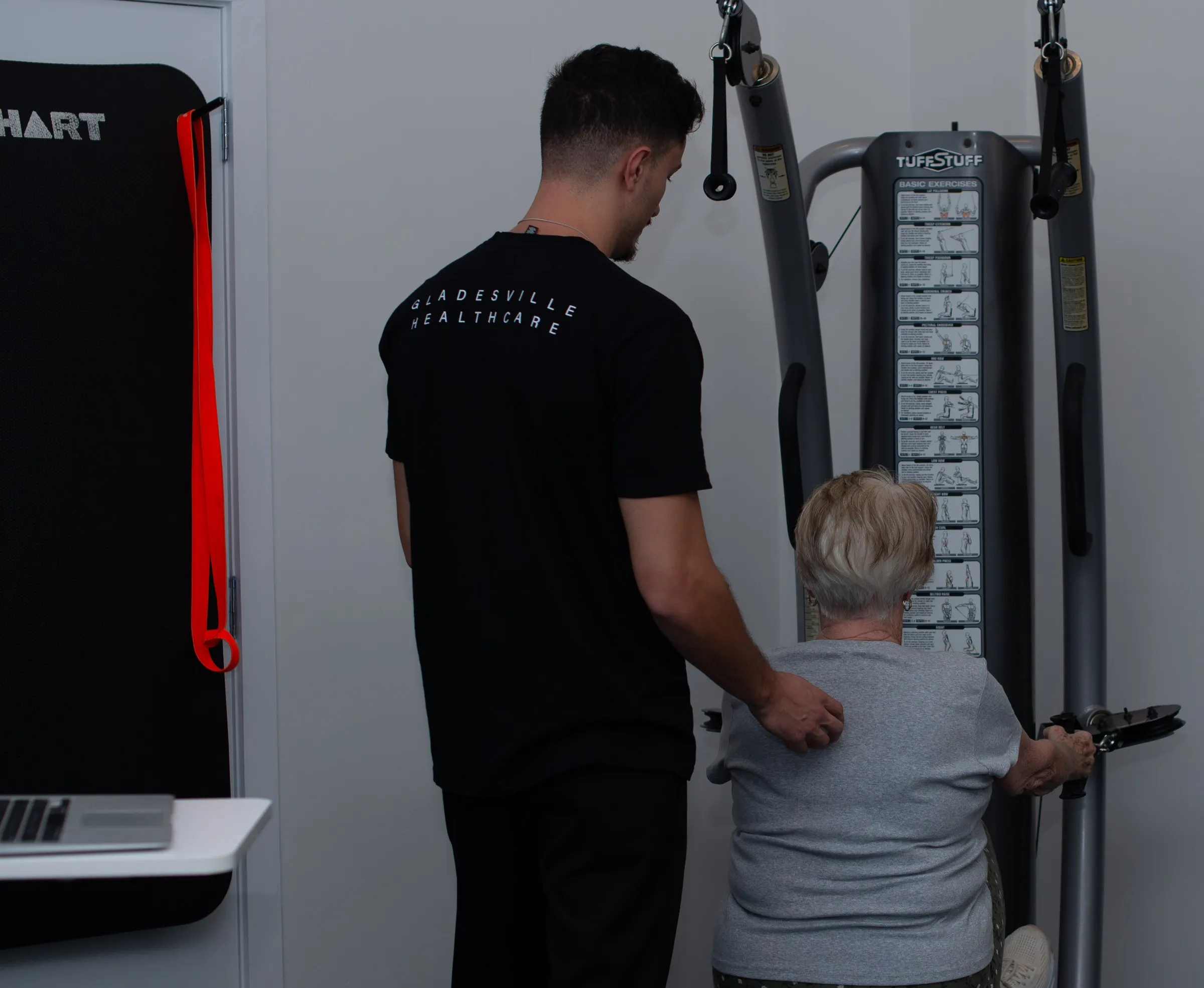
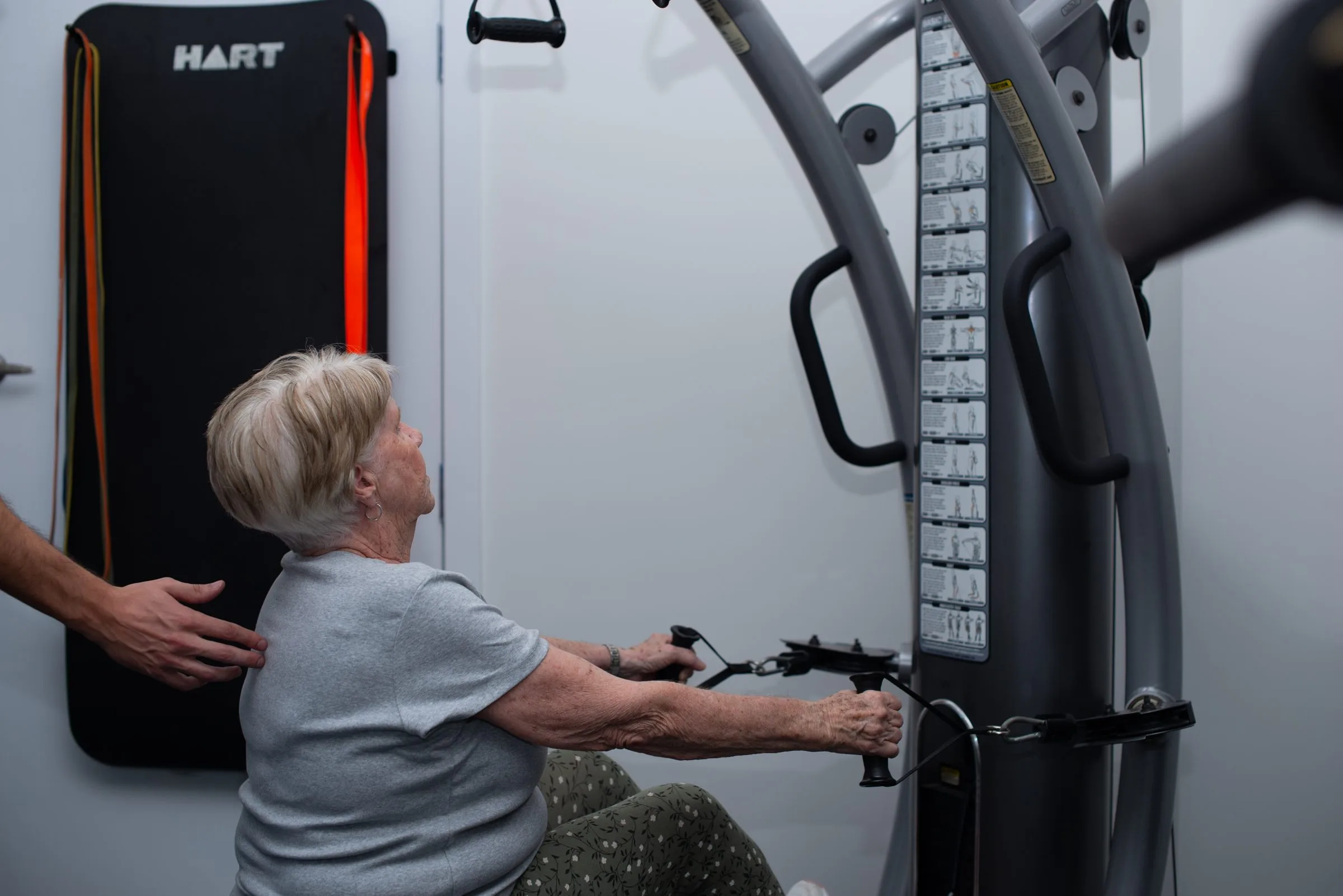
- Low-impact strength training to support joints and muscles
- Gentle aerobic exercise to build general fitness and stamina
- Mobility and flexibility work for stiff or guarded areas
- Balance and coordination exercises where relevant
Tracking Progress Beyond Just Pain Scores
Progress isn’t only measured by whether pain has dropped. Things like sleep quality, confidence with daily tasks, walking distance, and overall mood are often just as telling. Pain can take time to shift, but function and quality of life often improve sooner.
Regular check-ins with your exercise physiologist help adjust the program as things change, rather than sticking rigidly to a plan that no longer fits.
Taking the Next Step Towards Managing Your Pain
If chronic pain has been limiting what you can comfortably do, a structured, well-guided exercise program might be worth exploring rather than relying on rest alone. The team at Gladesville Healthcare works with people to build programs around their specific pain and goals, with the aim of improving both function and day-to-day comfort.
Getting started usually begins with a simple conversation about where things currently stand.
Book with our exercise physiologist
Key Takeaways
- Chronic pain behaves differently to acute injury, so rest alone often isn’t the answer
- Exercise physiology uses graded, individualised movement rather than generic exercise advice
- Education about pain helps reduce fear and can genuinely lower pain levels
- Programs are tailored to the specific condition, whether it’s joint pain, back pain, or widespread pain like fibromyalgia
- Progress is tracked through function and quality of life, not just pain scores
- Working with an accredited exercise physiologist means the plan adapts as your needs change
Frequently Asked Questions
How long does it usually take before exercise physiology makes a difference to chronic pain?
It varies a lot depending on the condition and how long it’s been present, but many people notice improvements in confidence and function within a few weeks. Pain reduction itself can take longer, often several months of consistent work.
Do I need a referral to see an exercise physiologist for chronic pain?
You can often see an exercise physiologist directly, though a referral from your GP may be needed if you’re accessing a chronic disease management plan or certain Medicare rebates. It’s worth checking your specific situation before booking.
Will exercise physiology replace my other pain treatments?
Not usually. It tends to work alongside things like medication, physiotherapy, or psychological support rather than replacing them outright. The goal is a more complete approach to managing pain, not a single fix.
What happens if an exercise causes a pain flare-up?
Flare-ups are discussed openly as part of the process, since they can happen even with a well-designed program. Your exercise physiologist will adjust the intensity or type of exercise rather than abandoning the plan altogether.
Is exercise physiology suitable for older adults with chronic pain?
Yes, programs are adapted for age, fitness level, and any other health conditions, so there isn’t a strict cut-off based on age alone. The focus stays on what’s safe and achievable for that individual.
Was this helpful? Click the button to recommend us!
 Add us as a preferred source on Google